












Why choose Extra Virgin Olive Oil from a cooperative?
🔎 Key facts of the article
- ✅ More than 70% of Andalusian olive oil is produced by cooperatives.
- 🌍 JaenCoop brings together 26 cooperatives, produces 100 million kilos and exports to 21 countries.
- 👨🌾 The 2024–2025 campaign in Jaén generates more than 1.8 million direct workdays.
- 🏘️ In Mogón, the San Vicente cooperative brings together more than 1,300 members and boosts the local economy.
- 🧩 More than 50% of farms in Integrated Production are managed by cooperatives.
- 💧 Cooperatives have reduced water consumption by up to 20% thanks to IoT and NDVI sensors in a pilot project.
- 🔥 Olive pits are used as biomass, reducing the use of fossil fuels.
- 🏆 Cooperatives such as Sierra de la Pandera, Almazaras de la Subbética and Puerta de las Villas have received international awards.
- 🥇 Puerta de las Villas has been recognized as the Best Olive Mill in Spain 2025 .
Extra Virgin Olive Oil (EVOO) reaches its full potential when it comes from cooperatives, organizations that play a key role in local and regional economies. According to Agri-food Cooperatives of Andalusia , more than 70% of the olive oil produced in Andalusia is made by cooperatives, demonstrating the strength and relevance of the cooperative movement in the region.
In this article we explore in depth the reasons for choosing cooperative olive oil , highlighting its social, economic and environmental benefits.
Strengthening the local economy
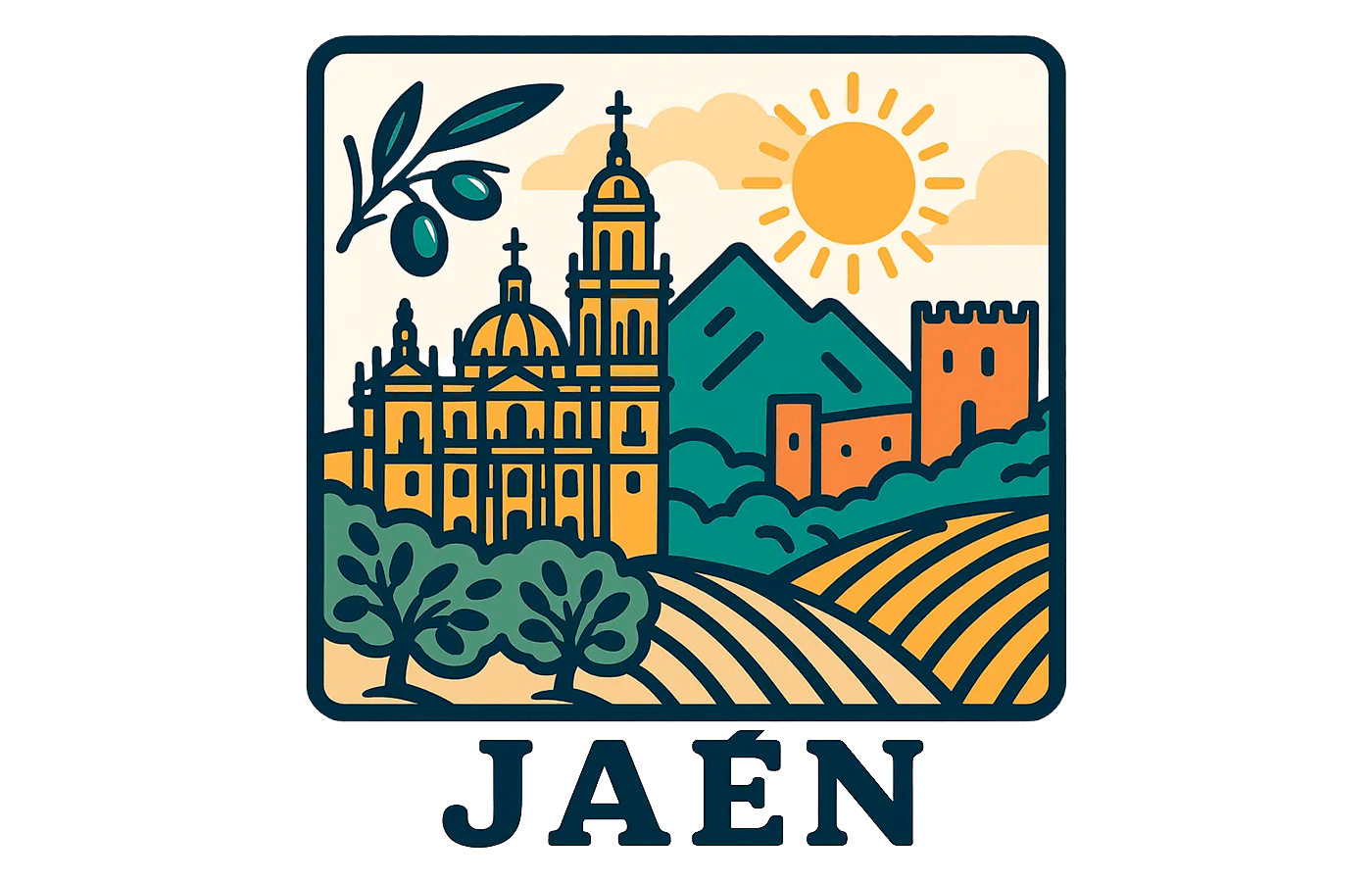
Buying olive oil from a cooperative means directly supporting rural communities. Profits are distributed equitably among member farmers, ensuring a fair income. An excellent example is JaenCoop, a second-tier cooperative that brings together 26 cooperatives in Jaén, produces around 100 million kilos of oil per season , and exports to more than 21 countries. This collective system allows for better trading terms and provides greater economic stability for farmers.
What is a second-tier cooperative?
A second-tier cooperative is an organization composed of several primary cooperatives that join together to achieve common goals such as joint marketing, cost reduction, technological innovation, and access to international markets. This type of cooperative allows for economies of scale, facilitating significant investments in infrastructure and improving global competitiveness.
JaenCoop is a prime example of a second-tier cooperative. Thanks to this structure, cooperatives can invest in certified laboratories, professional tasting panels, and international certifications that facilitate access to large markets, thus increasing profitability for their member farmers.
Creation of stable employment and retention of rural population
Cooperatives generate stable employment, which is crucial to preventing rural depopulation. According to the 2024-2025 olive grove production forecast from the Andalusian Regional Government, the harvest season in Jaén generated more than 1.8 million direct workdays.
A notable example is the San Vicente cooperative in Mogón (Jaén), where more than 1,300 members benefit directly from its operations. It's worth highlighting that the number of members in this cooperative exceeds the population of the town.
San Vicente plays a key role in its local community. Mogón, which under other circumstances would be facing depopulation, attracts young farmers thanks to the national and international presence of Puerta de las Villas. Furthermore, the cooperative helps finance local community initiatives that would otherwise be impossible to undertake.
How does the cooperative system work?
The cooperative system is based on fundamental principles such as economic democracy (one member, one vote), equitable profit sharing, and a commitment to sustainable development. In a cooperative, farmers are the collective owners and managers of the organization. Decisions are made democratically, ensuring that all members have a voice in the cooperative's management.
Furthermore, part of the surplus generated is reinvested in the cooperative itself to improve infrastructure, finance technical training and develop environmental sustainability programs, strengthening the local social and economic fabric.
Environmental benefits of cooperative olive oil
Cooperatives are pioneers in sustainable agricultural practices such as Integrated Production (IP), a system regulated by Royal Decree 1201/2002 that combines traditional and advanced farming techniques to reduce environmental impact. According to the Andalusian Regional Government , more than 50% of farms operating under this system in Andalusia belong to cooperatives.
Dcoop, one of the large production groups, for example, has participated in a European project for the implementation of IoT sensors and NDVI satellite techniques to reduce water consumption by up to 20% , optimizing natural resources without affecting productivity.
Circular economy and energy efficiency
The cooperative model stands out for its efficient use of byproducts such as olive pits, widely used as biofuel. According to the Agrobioheat Observatory , 78% of Spanish facilities using agricultural biomass rely on olive pits, replacing fossil fuels and significantly reducing CO₂ emissions.
The San Vicente cooperative in Mogón exemplifies this practice, covering a large part of its electricity consumption with renewable energy, thus avoiding the emission of hundreds of tons of CO₂ annually. This has earned it the award for best olive oil mill in 2025 , granted by AEMO.
International recognition of quality
Olive oil produced by cooperatives is not only sustainable and socially responsible, but also of exceptional quality, recognized in prestigious international competitions. Among the most prominent cooperatives are:
-
Sierra de la Pandera (Jabalcuz) , awarded the Jaén Selección 2025 distinction.
-
Almazaras de la Subbética ( DOP Priego ), awarded Best Organic EVOO and Best Mill by World's Best Olive Oils.
-
Puerta de las Villas , absolute finalist in the ESAO Awards 2024.
-
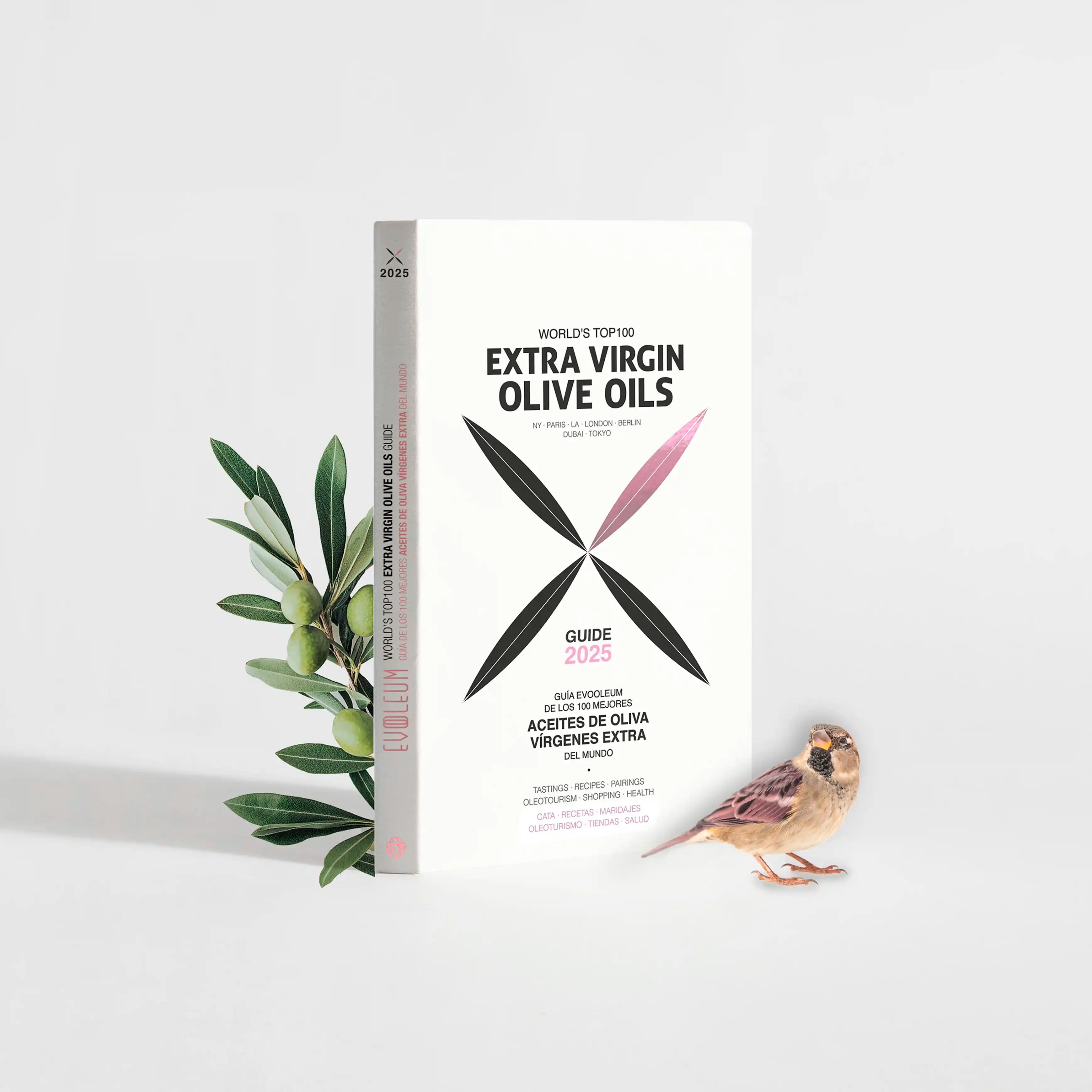
Señorío de Camarasa ( DOP Sierra Mágina ), included in the top 30 of IberOleum 2025 .
Not all that glitters is gold
It would be unfair not to make an important point. Consuming cooperative olive oil is not automatically synonymous with quality. There are still many cooperatives that rely on the exhaustion model, maximizing yield and producing lampante oil.
Unfortunately, this leaves them vulnerable to speculation and abrupt market changes, directly impacting cooperative members. In recognition of those cooperatives doing excellent work, it's important to note that while the situation described here reflects the trend, it's not yet the norm.
Conclusion
Choosing extra virgin olive oil from a cooperative committed to quality and innovation means opting for a high-quality product that directly benefits the local economy, creates stable employment, protects the environment, and strengthens social cohesion in rural areas. Each bottle purchased thus becomes a conscious decision towards a fairer, more sustainable, and prosperous model for future generations.
Share